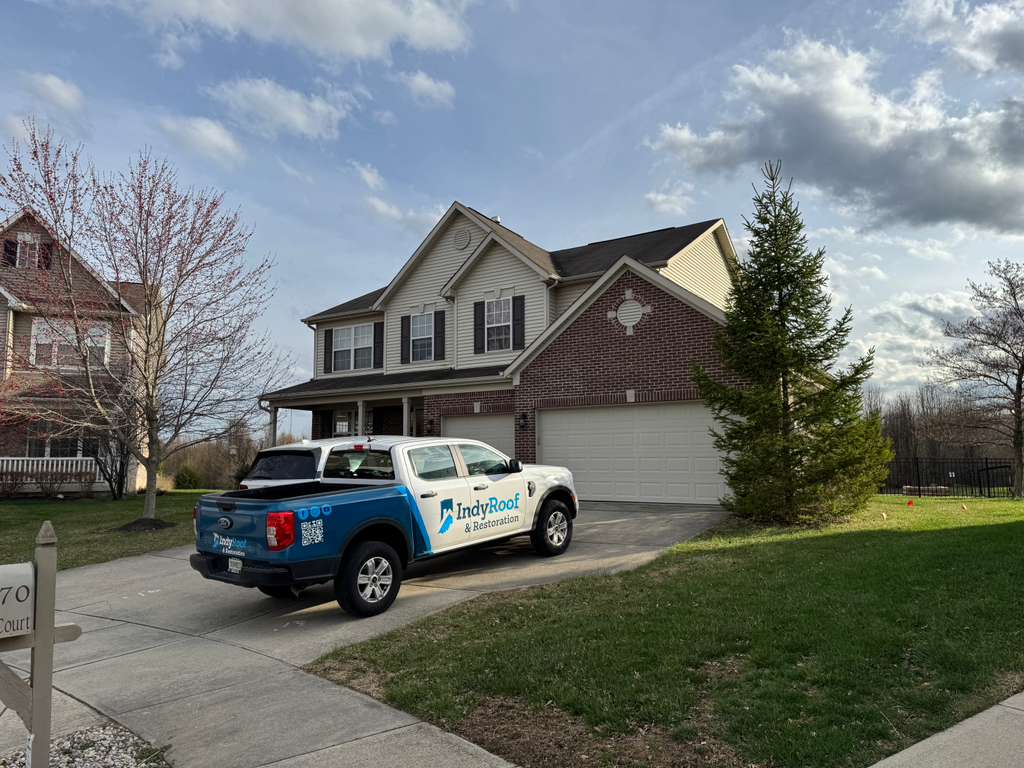
Problem: The Inspection Report Glossed Over the Roof
Most general home inspectors look at the roof from the ground or walk the perimeter. They flag obvious issues like missing shingles or sagging gutters, but they miss flashing failures, nail pops, soft decking, and ventilation problems that a roofer would catch in minutes. You closed on the house assuming the roof was fine because nobody said otherwise.
Solution: Get a Real Roof Inspection
Schedule a dedicated roof inspection within the first 60 days of moving in. A roofer will get on the deck, check every penetration, photograph the attic, and give you an honest age estimate based on shingle wear patterns. Hunting Creek Roofing offers free roof inspections across Hunting Creek, and we deliver a written report with photos so you have a baseline document. If the roof has 10 good years left, we will say so. If it has two, you will know that too, before a January ice dam forces the conversation.
That written report also becomes a useful reference for future contractors, insurance adjusters, and even buyers if you sell within a few years. Keep it in the same folder as your closing documents. If something changes after a major storm, you have a before and after comparison that makes any later claim or repair conversation much faster and more credible.
Problem: You Have No Idea How Old the Roof Is
Sellers often guess. Listing agents repeat the guess. By the time you own the place, "about 10 years old" might really mean 17. Asphalt shingles in Hunting Creek typically last 18 to 25 years depending on ventilation, sun exposure, and the quality of the original install. Without an accurate age, you cannot plan replacement, budget reserves, or shop insurance correctly.
Solution: Pull Permits and Read the Shingles
Three quick steps will narrow it down:
- Check city or county permit records online for a reroof permit tied to your address.
- Look at the shingle edges and granule coverage. Curling, cupping, and bald patches indicate a roof in its final third of life.
- Open the attic and look at the underside of the decking for water staining, rusted nails, or daylight at the ridge.
If you still cannot pin down the age, our crew can usually get within two years just by examining the shingle profile and fastener pattern. That timeline lets you decide whether to budget for replacement or stretch the existing roof with targeted repairs.
Problem: A Warranty You Assumed Transferred Did Not
A Hunting Creek buyer who learns the roof was recently replaced often assumes the manufacturer warranty came with the house. Sometimes it did. Often it did not, because many roofing warranties require a formal transfer to the new owner within a window after the sale, and if no one filed it, the strongest coverage may have quietly lapsed before you ever moved in.
Solution: Verify and Register the Coverage Now
The fix is to confirm exactly what coverage exists rather than assuming. Track down the paperwork on the roof, identify the manufacturer and the specific warranty, and check whether it transfers and what the deadline is. If a transfer is required and the window is still open, file it promptly, since letting it pass can turn a strong, long term warranty into nothing. A roofer can help you read what you actually have and what it would take to keep it in force. On a recently re roofed Hunting Creek home, this one piece of housekeeping can preserve thousands of dollars of protection that would otherwise disappear simply because no one filled out a form in time.
Problem: Ventilation Was Never Set Up Correctly
Many older Hunting Creek homes have soffit vents that were painted shut, blocked by insulation, or never balanced against the ridge or gable exhaust. Poor ventilation cooks shingles from below in summer and traps moisture that rots decking in winter. You will not see it from the curb, but it cuts roof life by years.
Solution: Balance Intake and Exhaust
A roofer can measure your attic square footage and verify whether intake and exhaust are within code ratios. Common fixes include clearing soffit vents, adding baffles between rafters, and replacing a passive box vent with a continuous ridge vent. The work is usually under $1,500 and pays back in shingle longevity, lower cooling bills, and fewer ice dam headaches each January.
Problem: The Last Owner Got Cheap on Repairs
Caulk smeared over a flashing gap. Mismatched shingles tabbed in with roofing nails through the face. A ridge vent installed without cutting the deck slot underneath. We see all of these on recently purchased homes, and they almost always trace back to a handyman repair or a weekend DIY job done before listing.
Solution: Redo the Shortcuts the Right Way
You do not need to tear the whole roof off. A focused roof repair can replace bad flashing, swap exposed nail shingles with properly woven replacements, and correct ventilation cuts. Budget $500 to $2,500 for most corrective work depending on scope. The key is documentation: keep the invoice, the photos, and the warranty paperwork. If you ever sell, that record protects your asking price the same way it should have protected the home you bought.
Problem: There Are Active or Hidden Leaks
You moved in during a dry stretch, and now the first heavy rain reveals a brown ring on the dining room ceiling. Or worse, you find dark staining in the attic insulation that nobody disclosed. Leaks rarely show up where the actual breach is, which is why DIY caulking on the ceiling almost never solves the problem.
Solution: Trace the Leak to Its Source
Start in the attic with a flashlight during or right after rain. Water travels down rafters and decking before it drips, so the wet spot inside is downstream of the real entry point. Common culprits in Hunting Creek homes are chimney flashing, plumbing boots that have cracked, valley shingles that were nailed too high, and skylight curbs. Our guide on roof leak detection and repair walks through the diagnostic process. Once we identify the source, the fix might be a $400 boot replacement, a flashing rebuild, or in rare cases a partial section reroof.
While you are up there, also check for signs of past leaks that have already dried out. Old water staining around a vent pipe or chimney often means the issue was patched once but not properly fixed. A repair that holds for one season and then reopens is a pattern we see often on resale homes, and catching it early saves drywall, insulation, and framing repairs down the road.
Problem: You Inherited Storm Damage Nobody Claimed
Hunting Creek sees enough hail and high wind that many roofs carry damage from a storm that hit before you owned the home. Insurance claims are tied to the policyholder at the time of the storm, which means the previous owner left money on the table and you are stuck with the wear.
Solution: Document Now, Decide Later
Get the roof inspected for hail bruising, wind creasing, and granule loss. If damage is fresh enough to match a recent storm date while you have owned the home, your current policy may cover it. We help homeowners navigate insurance claims regularly and can tell you whether a claim is worth filing or whether the damage is cosmetic and not worth the deductible. Older damage from before your purchase is usually out of pocket, but knowing the condition lets you plan rather than react.